Bracelets for Real Days: Fit, Clasp and the Commute Test

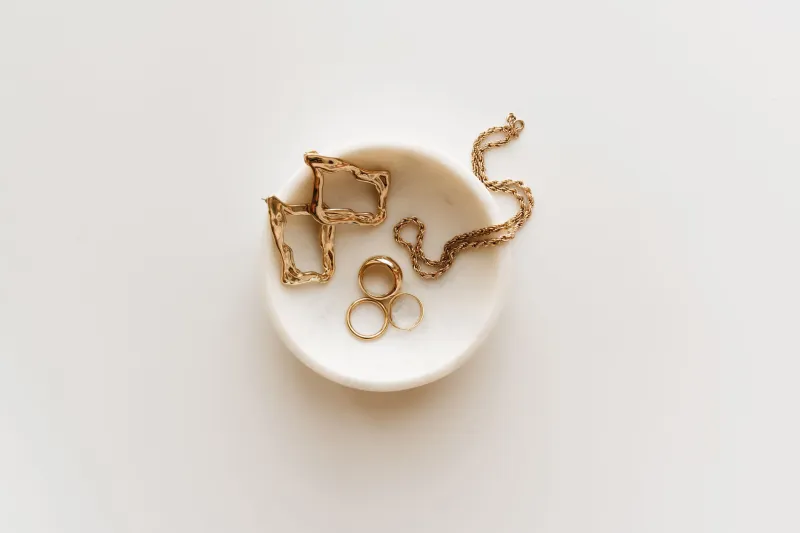
Photo: Rembrandt, Public domain, via Wikimedia Commons
A fine bracelet is often bought for a moment: a birthday, an anniversary, a glass of something cold on a warm evening. Then real life happens. It meets a keyboard, a coat sleeve, a crowded train and the inside of a tote bag. That is when you find out whether it was the right piece.
This is not a guide to the most photographed bracelet on the internet. It is a guide to the one you will still be happy to wear on a grey Tuesday in February, when the heating is on, your sleeves are long and you have three meetings before lunch.
Start with how it sits, not how it sparkles
A bracelet has a job to do before it looks pretty: it has to sit well. Too tight and it leaves a mark, twists around and makes you aware of your wrist all day. Too loose and it slides over the hand, catches on cuffs and spends more time being pushed back into place than being enjoyed.
For chain bracelets, a little ease is usually the sweet spot. You want enough movement for the links to drape rather than pull, but not so much that the clasp ends up under your palm. A useful starting point is your wrist measurement plus around 1.5cm for a closer fit, or 2cm for a more relaxed drape. It is only a starting point, though. Wrist shape, link width and personal tolerance all matter.
Bangles are a different conversation. A rigid bangle needs to pass over the hand comfortably, not just fit the wrist. Hinged bangles can be easier if you have wider knuckles or prefer a closer fit. If you are trying one on, do it with the watch or bracelet you already wear. Jewellery rarely lives alone, and a piece that feels perfect on its own can feel crowded beside your everyday watch.
The desk test: keyboards, cuffs and small tolerances
At a keyboard, the best bracelet is the one you forget you are wearing. Long dangling charms, wide rigid cuffs and anything with a sharp edge can become a small nuisance by 10am. Flat links, closer-fitting chains and neat bangles tend to behave better. If you type a lot, try wearing the bracelet on your non-dominant hand and see whether it interferes with your sleeve or mouse wrist.
Coat sleeves are the other daily test. A loose chain can catch on a cuff lining; a chunky bangle can feel bulky under a tailored sleeve. British weather makes layers non-negotiable for much of the year, so think about how the piece behaves when you push your sleeves up and down. A bracelet that sits close to the wrist is usually easier under knitwear. If you love a looser drape, keep an eye on clasps and charms that might snag.
Clasp security without the faff
A beautiful bracelet with a weak clasp is a small heartbreak waiting to happen. For everyday wear, look closely at how the piece fastens. A lobster clasp with a safety catch is a reassuring choice for chains. Spring rings are neat but can be fiddly if you have limited dexterity or long nails. Box clasps can look lovely on wider bracelets, but check that they click shut firmly and have a safety feature if possible.
Ask how the clasp is made and whether it can be checked or adjusted. At home, give the bracelet a gentle tug once fastened, and get into the habit of checking it when you take it off. If you are buying for someone else, consider whether they will manage the clasp easily every day. The most secure clasp in the world is no good if it is too much trouble to use.
Metal choices for real wear
Yellow gold, white gold, rose gold, platinum and sterling silver all have their own personalities on the wrist. Yellow and rose gold are warm and forgiving of everyday knocks. White gold is often rhodium plated for a bright finish, and that plating can wear over time with constant friction, so budget for re-plating if you want it to stay crisp. Platinum is heavier and denser, which some people love and others find too weighty for a bracelet.
Also think about alloy and hallmarking. In the UK, fine jewellery should carry the correct hallmark, and that is a useful trust signal when you are buying. If your skin is sensitive, tell the jeweller. A good piece should feel calm against your skin, not itchy or irritating.
Layering without turning into a scratchathon
Layering looks effortless in photographs and can feel less so on a wrist. Different metals and finishes will rub against each other, and softer metals can pick up marks from harder ones. If you want to stack, start with pieces that are smooth where they meet. A fine chain beside a textured bangle will likely show wear sooner than two similar finishes worn together.
Give each piece a little breathing room. A bracelet that is constantly clamped against a watch or another bangle will age faster. If you love the look of a full wrist, consider alternating textures rather than piling on every piece at once, and take them off before bed or heavy chores.
The questions worth asking before you commit
Before you buy, try the bracelet with your watch on. Ask for the internal circumference, not just the length. Check the clasp type and whether it has a safety catch. Find out whether the links are solid or hollow, and whether the piece can be resized. Ask about the returns policy and any care advice for the specific metal and finish. If you are buying online, use a soft tape measure and compare it with a bracelet you already like wearing.
A fine bracelet does not need to be the loudest thing on your wrist. It needs to suit your days: the commute, the desk, the coat sleeve and the evening that follows. When it does, you stop noticing it in the best way. That is the quiet test worth buying for.
At Whittakers Jewellers, we think the best pieces are the ones that fit your life as neatly as they fit your wrist. Take your time, try a few, and choose the bracelet you will still reach for when the novelty has worn off and real life has begun.