Links That Live With You: How to Choose a Fine Chain for Everyday Wear

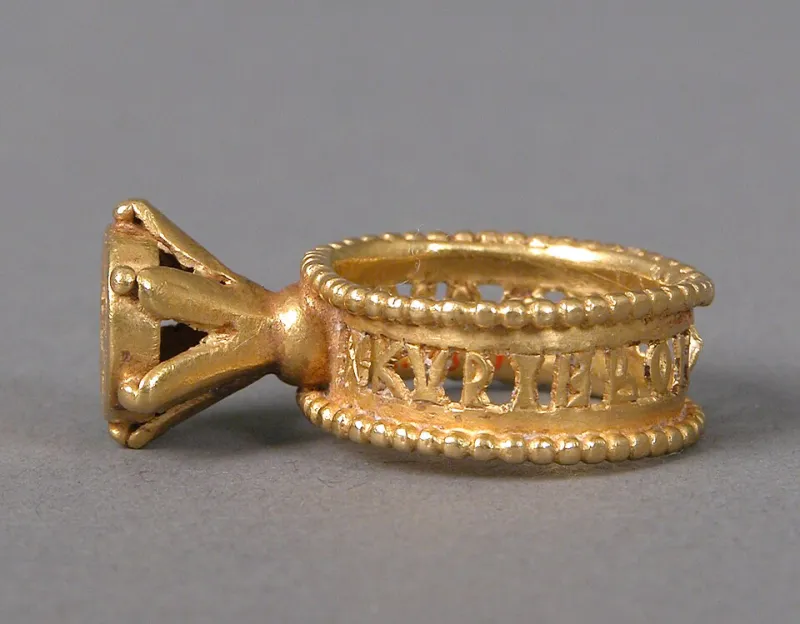
Photo: Darkon X, CC BY 3.0, via Wikimedia Commons
There is a particular kind of necklace that earns its place without asking for much. It goes on with a favourite jumper, stays put through a supermarket run, survives a rainy walk home and somehow still looks right at dinner. At Whittakers, we meet plenty of customers looking for exactly that: a fine chain they can wear almost constantly, rather than a piece that lives in a box and comes out for occasions.
The trouble is that not every pretty chain is built for that job. A necklace that rarely comes off has to handle friction, moisture, tension and the odd tug from a toddler. The good news is that a little knowledge about links, clasps and metals makes the choice much clearer. Here is what to look for if you want a chain that quietly gets on with real life.
Start with your actual week, not the display cabinet
Before you fall for a chain on screen, think about the day it will be joining. Will it sit under an office lanyard? Will it be there during gym sessions or a weekly swim? Does it need to cope with scarves, coat collars and central heating in winter? Will small hands reach for it?
A chain for occasional evening wear can be featherlight and delicate. A chain for everyday wear needs a bit more margin for error. That does not mean it has to be chunky or masculine in feel. It means the construction should suit the amount of movement, moisture and pull it will meet. The daintiest chain in the shop is rarely the one that lasts best through years of daily wear.
The links: cable, curb, box and trace
The link style changes how a chain moves, how it sits and how well it copes with daily knocks.
Cable chains are the classic oval-link design, with each link alternating direction. They are flexible, easy to layer and work well with pendants. A fine cable chain is lovely for light wear, but a very delicate one can stretch or distort over time if it is constantly tugged or weighed down by a heavy pendant.
Curb chains have flattened, interlocking links that lie close to the skin and catch the light nicely. A well-made curb chain can be a sturdy everyday choice, especially in a slightly heavier weight. Very fine curb chains can twist or kink, so check how supple the chain feels rather than judging by looks alone.
Box chains use square links that give a crisp, modern line. They are strong for their size and look clean with a pendant, but they have less give than a cable chain. If a box chain kinks badly, it can be difficult to straighten. It is a good choice for someone who likes a neat look and is not too rough on their jewellery.
Trace chains are delicate, slender chains often used with pendants. They are pretty and unobtrusive, but they are not the most forgiving for constant wear. A trace chain can snag on fine knitwear or thin straps, and its small links can wear at the clasp over time. It is best treated as a lighter-duty option rather than a workhorse.
The clasp is where good chains go to fail
The clasp is often the first part to show its age, and it is the part most likely to let you down. A lobster claw clasp is generally the most practical for everyday wear: easy to use, secure when well made and simple to check. A spring ring clasp can be fine, especially on finer chains, but the mechanism can weaken with constant use. Magnetic clasps may be convenient, but they are not reliable enough for a necklace you rarely remove. Hook-and-eye fittings are charming on delicate pieces but too easy to catch open during daily life.
Also look at the jump rings and connecting links. A chain is only as strong as its weakest point, and a thin, unsoldered jump ring can open under pressure. If you are choosing a necklace for near-constant wear, ask about the clasp and fittings, not just the chain style. A solid clasp on a sensible chain is a far better bet than a beautiful chain with a flimsy fastening.
Lengths, layering and weight
For everyday wear, 16 to 18 inches suits many people: close enough to sit under a collar, long enough to feel comfortable. A 16-inch chain may sit near the base of the neck, while 18 inches gives a little more breathing room. Longer lengths can be lovely for layering, but they also swing more and can catch on bag straps or door handles.
Layering is where weight matters. If you wear several chains together, give each one room to move. Slightly different lengths help stop them tangling, and mixing link styles can reduce rubbing. As a rough rule, put the heavier pendant on the sturdier chain and keep the ultra-fine chain for a small, light charm. Two very fine chains rubbing together every day will wear faster than one chain worn alone.
Metals for a necklace that stays on
If a chain is going to be worn through showers, commutes and the British weather, choose a metal that can take it. Solid gold, whether 9ct or 18ct, is a practical choice for everyday necklaces. 9ct gold is harder wearing and a sensible option for constant use; 18ct gold is richer in colour and softer in feel. Platinum is dense and durable, though it comes at a higher price. Sterling silver is beautiful and affordable, but it tarnishes and needs more regular cleaning.
Gold plated and gold vermeil chains can look lovely, but plating wears at high-friction points such as the clasp and the links that rub constantly. If you want a necklace to survive years of daily wear, solid metal is the safer investment.
Chlorine, perfume, hairspray and cleaning products are all worth thinking about. A quick rinse and dry after a swim helps, and it is wise to let perfume settle before putting a chain on. British rain is not usually the enemy of solid gold, but repeated damp storage and everyday grime are not kind to any chain.
A simple maintenance rhythm
A necklace that never comes off still needs the occasional look. Once a month, lay it flat and check the clasp opens and closes properly. Run the chain gently through your fingers to feel for kinks, rough spots or thin links. Look at the jump rings and the point where the clasp meets the chain. Store it flat or coiled loosely rather than hanging it overnight, as hanging can put strain on fine links.
Once a year, or sooner if anything feels off, ask a jeweller to check the chain, clean it properly and tighten any fittings. Most failures are not dramatic snaps. They are slow weaknesses at the clasp, a stretched link or a jump ring that has opened. A two-minute monthly check catches most of them before they become a lost necklace.
The best everyday chain is not the most delicate one, nor the heaviest. It is the one whose links, clasp and metal match the way you actually live. Choose for Tuesday morning, not just for the dressing table, and you will end up with a necklace that earns its place every day.