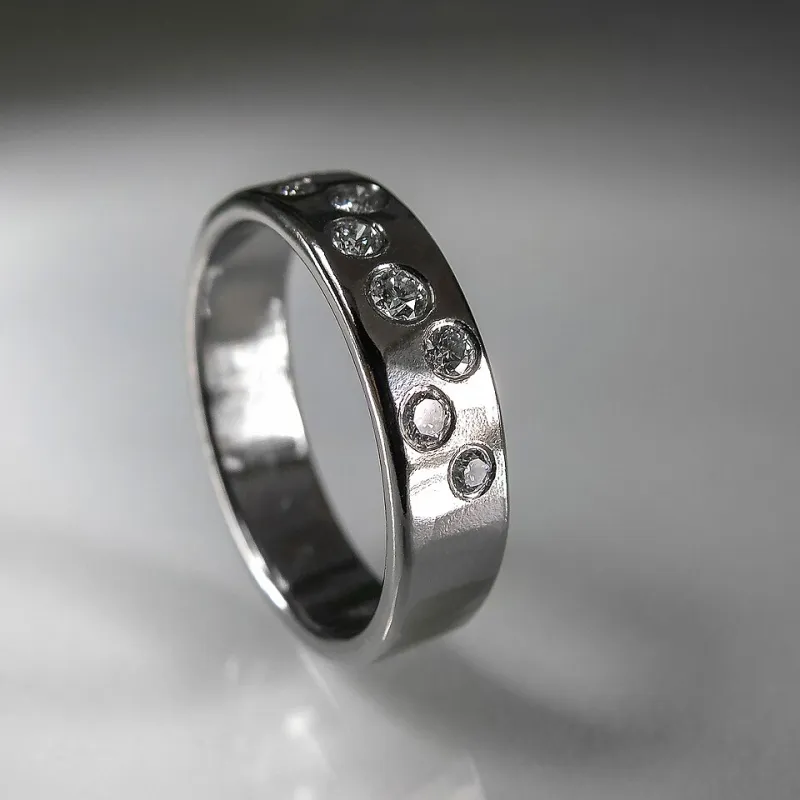
A Ring Is Not Always a Question: Choosing Commitment Jewellery in 2026
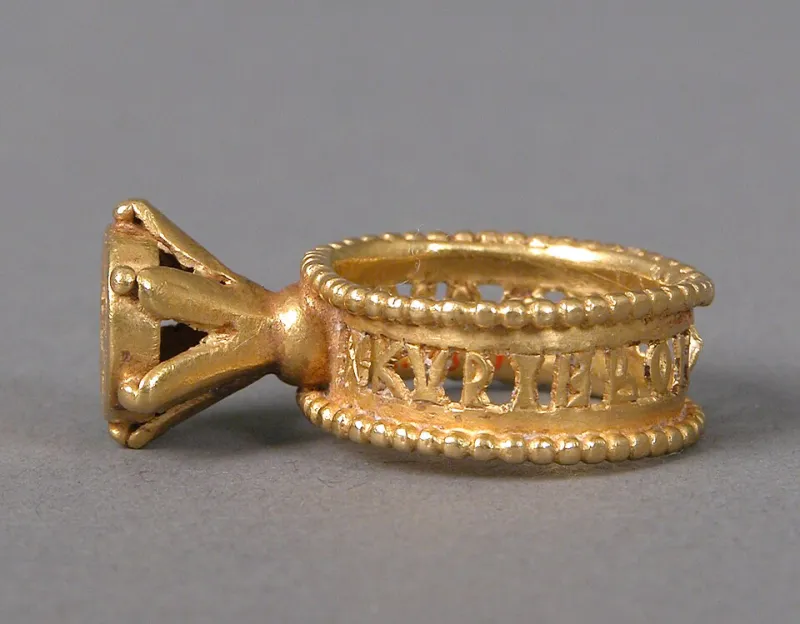
Photo: Unknown, CC0, via Wikimedia Commons
A ring can mean many things. It can mark a birthday, a long partnership, a personal milestone, a promise, or simply the fact that you have decided to buy yourself something lasting. In 2026, the language around commitment is broader than it once was, and the jewellery market is slowly catching up. Not every important ring needs to arrive with a question attached.
That is where commitment jewellery comes in. Sometimes called an in-between ring, it sits in the space between fashion jewellery and a formal engagement. It is a real purchase with real meaning, and it deserves more thought than a panic-bought gift and less pressure than a proposal.
First, decide what the ring is for
Before you look at a single setting, work out what you want the ring to say. Is it for a birthday, an anniversary, a long-distance stretch, a recovery, a promotion, or a quiet promise to yourself? Is it private or public? Will you wear it every day or save it for occasions?
A ring that is meant for daily wear needs to be practical. A ring that is meant to mark a moment can be more delicate. Neither is better. The mistake is buying something fragile for constant wear, or something heavy and sensible when you actually wanted a small piece of joy.
The usual suspects, and what they say
Eternity bands are the classic commitment ring: a continuous line of stones, or sometimes a plain band, symbolising something ongoing. A full eternity band is beautiful but difficult to resize, so get the size right. A half eternity band is easier to live with and often more comfortable if you have long fingers or wear rings next to it.
Signet rings have a long history and a modern, graphic look. They can be engraved with initials, a date or a tiny symbol. They are excellent for people who want meaning without sparkle, and they work particularly well on the little finger or index finger.
Birthstone rings are personal without being romantic. A stone in your own birth colour, or the birthstone of a child or partner, can be a quietly meaningful choice. Just check the hardness of the stone if you plan to wear it daily.
Promise rings are the most misunderstood of the group. In the UK, they can read as a pre-engagement signal, especially to family members who have been waiting for news. If that is not what you mean, choose a design and a conversation that make the meaning clear. A simple band, a signet or a birthstone often reads as less proposal-adjacent than a solitaire diamond.
Metal: the practical bit
In the UK, you will mostly be choosing between 9ct gold, 18ct gold, platinum and sometimes palladium or silver. Nine-carat gold is harder wearing and more budget-friendly; 18ct gold has a richer colour and a softer feel. Platinum is dense, heavy and excellent for daily wear, but it costs more and can be trickier to resize in some designs.
Think about colour as well as cost. Yellow gold suits warm skin tones and looks good with signets and engraved bands. White gold has a cool, clean look but usually needs rhodium plating every so often to keep its brightness. Rose gold is warm and flattering, though some people tire of it. None of these rules are absolute. Wear what you like, but check the hallmark. UK hallmarks tell you the metal content and are a useful sign of quality.
Stones: beauty versus daily life
If you want a stone, think about hardness. Diamonds, sapphires and rubies are tough enough for regular wear. Emeralds, opals, pearls and turquoise are beautiful but more delicate; they can scratch, chip or discolour with rough handling. A soft stone in a raised setting is not the best choice for someone who works with their hands.
Lab-grown stones are now a normal part of the conversation, and that is fine. Choose them because you like them, not because someone has told you they are the only sensible option. Natural stones have their own appeal. What matters is that you understand what you are buying and that the price reflects it honestly.
Finger, fit and sizing
Commitment rings do not have to go on the ring finger. The index finger, middle finger and thumb are all fair game, and the little finger is traditional for signets. Wear the ring on the hand you use less if you want to protect it from knocks, or on your dominant hand if you like the look and do not mind the wear.
Get measured properly. Fingers change size with temperature, time of day and season, and a wide band will feel tighter than a narrow one. If you are buying as a surprise, be careful. A commitment ring is a personal thing, and guessing a size is one more gamble than you need. Where possible, involve the person or choose a design that can be resized.
Budget without the blushes
Set a ceiling before you fall in love with something in the window. Include the cost of resizing, insurance and any future repair in your thinking. A well-made ring in a simpler metal is often a better long-term buy than a fragile ring in a precious metal you cannot afford to maintain.
Do not let anyone shame you into spending more than you are comfortable with. A commitment ring is not a test of devotion. It is a piece of jewellery that should fit your life, your taste and your bank balance.
The conversation: how to say it without a proposal
This is the part people find hardest. If you are buying for a partner, say what you mean plainly. Try something like: I would like to mark this part of our life together. This is not me proposing. It is a ring because it means something to me, and I would like you to have it.
If your partner looks startled, give them room. Ask whether they would rather choose it together. A commitment ring should not arrive as a trap or a hint. It should be a gift with clear edges.
Family can be trickier. If a relative assumes an engagement is imminent, correct them gently and quickly. You do not owe anyone a full explanation, but a simple line such as, it is a commitment ring, not an engagement, saves months of hopeful eyebrows.
If you are buying for yourself
Self-purchase is one of the most honest reasons to buy a ring. You do not need a partner, an anniversary or a permission slip. Choose something that fits your hand and your daily life, and enjoy the fact that you are marking your own moment.
Before you leave the shop, check the hallmark, ask about the returns and resizing policy, and keep the receipt. If the ring is valuable, get it insured and have it valued. Then wear it. A commitment ring that stays in a drawer is missing the point.