Before the Fairy Lights Go Up: A Winter Check-Up for Your Jewellery

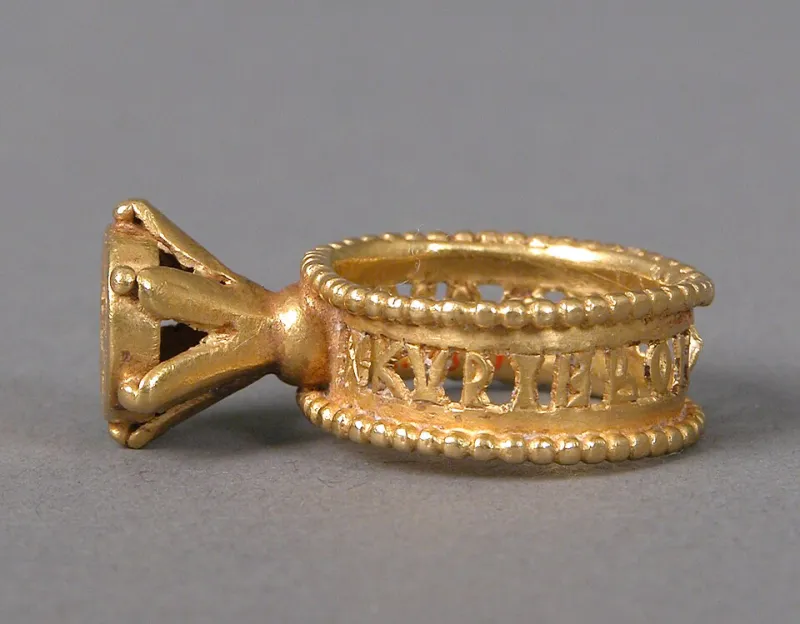
Photo: Shai Yammanee, CC BY-SA 4.0, via Wikimedia Commons
There is a particular week in November when the evenings close in, the central heating clicks on, and someone in the house starts asking where the Christmas decorations are. Before the fairy lights go up, it is worth giving your jewellery box the same kind of attention. Not a makeover. More of an MOT.
Twenty minutes now can save a lot of squinting, snagging and last-minute panic later. Party season has a way of exposing the small faults you have been ignoring since summer: a claw that has worn thin, a clasp that opens too easily, a pearl thread that has gone slack. None of this is cause for alarm. It is just maintenance, and maintenance is a very reassuring thing.
Why a pre-festive check is worth the bother
Winter is hard on jewellery in quiet ways. Central heating dries out skin, which can make rings feel looser than they did in July. Woolly scarves, gloves and layered knitwear are excellent at catching prongs and fine chains. Then comes the party season itself: perfume, hairspray, hurried hand-washing, coats going on and off, and rings tucked into napkins or pockets at exactly the wrong moment.
A check-up is not about wrapping your jewellery in cotton wool. It is about knowing what you have, what needs a little help, and what is absolutely fine. That way you can wear the good pieces with confidence rather than a low-level hum of worry.
Set yourself up with a gentle kit
You do not need a jeweller's bench. A clear table, good light and a few household items will do. A soft cloth, a small bowl of warm water, a drop of mild washing-up liquid, a very soft brush, a phone torch and a couple of zip bags are plenty. A notebook is useful too, especially if you are checking several pieces.
Work over a tray or a folded towel. This is not being fussy; it is basic physics. Small things bounce, and earrings have a talent for heading straight for the floorboards.
Start with claws and settings
Pick up each ring and look at the settings in good light. You are checking the tips of the claws, the little metal fingers that hold a stone in place. They should look even and smooth, not worn down to thin points or bent out of shape. Run a fingertip gently around the setting. If something feels sharp or rough, make a note.
Do not prod the stone with a pin or a knife. If a stone moves even slightly when you touch it with a soft cloth, stop wearing it and put it in a labelled bag. A loose stone is not the moment to test a theory or reach for superglue. A jeweller can tighten or replace a claw properly, and dealing with it early is usually simpler than dealing with a lost stone later.
Test clasps, chains and the woolly-scarf problem
Open and close every clasp a few times. A lobster clasp should snap shut with a positive click. A spring ring should return smoothly. Barrel clasps should feel secure, not gritty. Check the jump rings at each end of a chain; if one has opened up into a wide gap, it needs closing or replacing before it lets go.
Fine chains and winter layers are not always friends. A delicate chain worn over a chunky knit can catch, stretch or snap. If you are wearing a scarf, put your jewellery on after the scarf goes on, and take it off before the scarf comes off. It sounds fussy until the first time it saves a chain.
Pearls, beads and thread
Pearls and beaded pieces need a different sort of look. Hold the strand up and check the thread between the pearls. It should be clean and reasonably taut, with a small knot between each pearl where applicable. If the thread looks slack, frayed, discoloured, or you can see gaps opening up when you gently pull the strand straight, it is time to think about restringing.
Do not soak pearls. Avoid perfume, hairspray and lotions on them, and wipe them with a soft dry or slightly damp cloth after wearing. Store them away from other jewellery so they do not get scratched, but not in a completely airtight bag if the pearls need to breathe. A soft pouch is usually kinder.
A safe clean at home
For most diamond, gold and platinum pieces, warm water with a tiny drop of mild washing-up liquid is enough. Use a soft brush around the back of the setting, rinse well, and dry thoroughly with a soft cloth. Pay attention to the underside of rings, where hand cream and soap collect.
Be more careful with porous or delicate stones. Opals, pearls, emeralds, turquoise and many treated stones should not go in an ultrasonic cleaner or a harsh soak. If a setting is glued rather than claw-set, keep it away from hot water. Silver polishing cloths are useful for silver, but do not use toothpaste, bicarbonate of soda or anything abrasive on fine jewellery. When in doubt, clean less and ask more.
Winter wardrobe and party-season wear
Perfume and hairspray go on first, jewellery goes on last. Take rings off before gym sessions, heavy cleaning, decorating the tree or wrestling with a stiff zip. At a Christmas do, do not tuck rings into a napkin or loose pocket. A small pouch in your handbag is a much better hiding place.
If a ring feels loose in cold weather, that is worth noting. Cold fingers can shrink slightly, but so can the consequences of a ring sliding off in a glove. If it is only ever loose in winter, a jeweller can advise on sizing without rushing you into anything.
When to stop and see a jeweller
Book a proper check if you spot a loose stone, a worn claw, a bent shank, a chain that has stretched, a clasp that keeps opening, or a pearl thread that is clearly tired. A jeweller can look under magnification and tell you what is cosmetic and what needs attention. That is not failure. It is the whole point of an MOT.
The twenty-minute plan
Spend five minutes inspecting claws and settings. Five minutes testing clasps and chains. Five minutes checking pearls and giving suitable pieces a gentle clean. Five minutes drying, storing and writing down anything that needs a second look.
Then put the kettle on. Your jewellery is not asking for much, just a little attention before the season of sparkle begins.