The Long Wear: Fine Jewellery That Earns Its Place, Year After Year
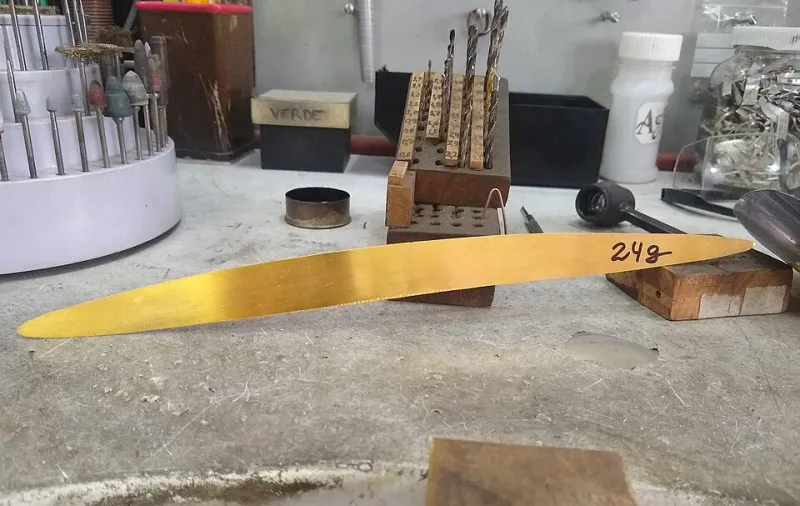
Photo: Mauro Cateb, CC BY-SA 4.0, via Wikimedia Commons
Most heirlooms don’t start life with a label. They begin as a birthday present, a quietly saved-for ring, a chain bought because it went with everything. Then they get worn. Then they get mended. Then, somehow, they become the piece someone else asks about.
That’s the thing about future heirlooms: you can’t order them from a catalogue. But you can make a few thoughtful choices at the beginning that give a new piece a much better chance of becoming one. This isn’t about investment value or chasing the next big thing. It’s about choosing fine jewellery that will still feel like yours in twenty years — and maybe someone else’s after that.
Begin With the Life, Not the Legacy
It’s tempting to shop for the imaginary version of your life: the one where you wear silk to dinner and never wrestle with a coat sleeve. Real life is a bit more textured. There’s the commute, the school run, the pub garden, the winter layers, the gym bag you swear you’ll empty.
So start with what you actually wear. If your hands are busy, a low-set ring or a smooth band will earn its keep. If you like a bit of sparkle at the neckline, a fine chain with a secure clasp will do more for you than a dramatic pendant you’re scared to wear. The best heirloom candidates are rarely the most dramatic pieces in the box. They’re the ones that get picked up without a second thought.
Ask yourself a simple question: can I see myself wearing this to ordinary places? If the answer is only “somewhere special”, that’s fine — but be honest about whether “somewhere special” happens often enough.
Design That Can Age Without Looking Old
Trends aren’t the enemy. They’re just not the whole story. A piece can feel modern without being welded to a particular season. Look for clear lines, comfortable proportions and details that don’t rely on novelty. A slightly sculptural band, a well-proportioned bezel or a classic three-stone setting will still make sense long after the current mood has moved on.
It also helps to think about how a design will look from the side, from above and in a mirror. Jewellery is worn in motion, not photographed on a shelf. Curves should sit comfortably against the skin. Settings shouldn’t snag knitwear. Edges should feel smooth rather than sharp. A piece with a strong point of view but no fussy extras tends to age better than something covered in borrowed ideas.
And don’t confuse “timeless” with “boring”. A future heirloom should still have a bit of personality. It just doesn’t need to shout.
Metal and Stone Choices With Real Staying Power
In the UK, hallmarking is your quiet friend. It tells you what the metal actually is, and it’s a useful piece of the paper trail if a piece is ever valued, insured or passed on. Whether you choose 9ct or 18ct gold, platinum or palladium, the key is to understand what you’re buying and how it wears. Platinum is dense and forgiving; yellow gold shows its age in a warmer way; white gold may need rhodium plating over time to keep its bright finish. None of these is “wrong” — they just suit different habits.
Stone choice matters just as much. Diamonds, sapphires and rubies are the hardy regulars. Emeralds, opals and pearls can be perfectly wearable, but they prefer a quieter life. If you want a ring you never take off, a bezel-set diamond or sapphire is a sensible companion. If you want something more delicate, that’s fine too — just know when to take it off.
The Wearability Test (Do It Properly)
Try jewellery on with the clothes you actually wear. A ring can feel lovely on a bare hand and then catch on a coat lining. A necklace can look perfect in the mirror and then sit awkwardly under a shirt collar. Wear the piece around the shop for a few minutes. Flex your hand. Do up a button. Hold a phone to your ear. If it has a clasp, open and close it a few times.
Think about change, too. Fingers change size. Ears change shape. A ring that can be resized gives you options later. A chain with a slightly adjustable length is more useful than one fixed at a tricky spot. And if you’re choosing earrings, pay attention to weight and fitting — the pair you can wear all day will always beat the pair that looks good for an hour.
Engraving, Paperwork, and the Story You Leave Behind
Engraving is one of the small decisions that makes a piece feel personal without making it inflexible. Initials, a date, a short phrase, a handwriting mark — these are lovely. Be careful with anything too specific to a moment that might not matter in twenty years. The best engravings tend to be meaningful rather than explanatory.
Then keep the paperwork. The receipt, the valuation, the hallmark details, the stone specifications, any service records. Take a photo of the piece and the documents. This isn’t admin for its own sake; it’s the difference between a piece that can be looked after properly and one that becomes a mystery in a drawer. If you’re buying for someone else, keep a note of where and when it came from. Future family members are often more interested in the story than the price tag.
Small Decisions, Long Return
A future heirloom is rarely the result of one grand purchase. It’s the result of a hundred small moments: the ring you wore to wash the car, the chain you forgot to take off, the earrings that became your default. Buy something you can look after, from someone who will still answer the phone when it needs a check-up. Ask about servicing, resizing and replacing stones before you leave the shop.
And then wear it. Not carefully, not only on birthdays. The pieces that become family stories are usually the ones that were allowed to live a little.