The Lustre List: Pearls for Real Life, Not Just the Big Day
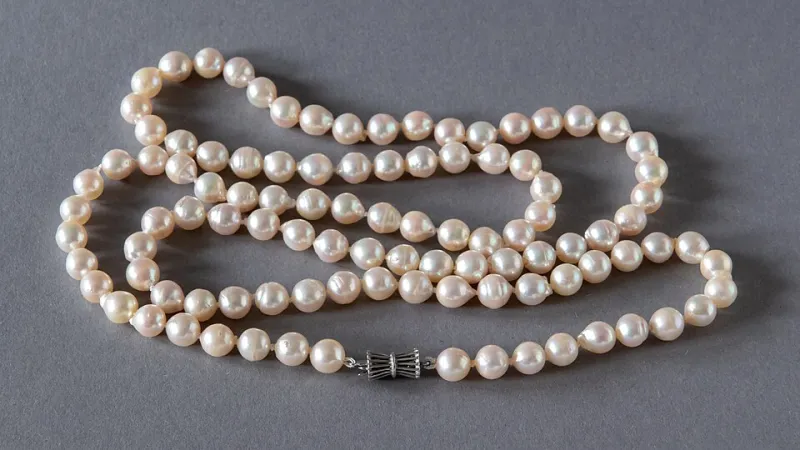
Photo: W.carter, CC BY 4.0, via Wikimedia Commons
Pearls have a reputation problem. They are seen as wedding jewellery, inherited jewellery, or something you keep in a box for best. In 2026, that feels increasingly out of step with how people actually wear fine jewellery. A baroque pearl drop with a jumper, a freshwater strand over a t-shirt, a pearl bracelet next to a watch: none of these need a formal invitation.
Why pearls feel modern again
Pearls have not been reinvented. We are just wearing jewellery differently. The old rules about matching sets and special occasions have loosened, and that suits pearls. They are softer than diamonds, warmer than plain gold and surprisingly easy to live with if you choose the right piece. A single baroque pearl on a fine chain can do more for a plain outfit than a whole tray of sparkle. An inherited strand worn with denim looks considered rather than costume.
Baroque, freshwater and the shape question
Baroque pearls are irregular, and that is the point. No two are quite the same, which makes them feel personal rather than mass-produced. Freshwater pearls are the affordable workhorses of the pearl world, available in rounds, drops, coins and baroques. Akoya and South Sea pearls tend to be rounder and more expensive, but round is not automatically better. Shape is a design choice. A good baroque pearl has presence; a poorly matched round pearl can look dull even if it is technically neat.
If you are buying your first modern pearl piece, start with what you will actually wear. Drop earrings are easy. A short strand works with crew necks and shirts. A bracelet is a gentle introduction if necklaces feel like too much. There is no rule that says pearls must be round, white or reserved for weddings.
Buy lustre first, then everything else
Lustre is the glow that makes a pearl look alive. Check it in natural daylight, not just under shop spotlights. A good pearl should reflect light with some sharpness, not look chalky or flat. Surface quality matters too, but minor blemishes are normal. Deep cracks or dull patches are not. Ask about nacre thickness if you are spending serious money; thin nacre will not age well.
Colour is personal. White, cream, pink, silver, gold and peacock tones all have their place. Dyed pearls can be lovely, but the seller should be upfront about it. Size should suit the wearer and the budget, not just the price tag. A smaller pearl with beautiful lustre will usually outshine a larger dull one. Check the clasp and the stringing too. Knots between pearls protect them from rubbing, and a secure clasp is non-negotiable. If an online listing calls something a pearl but will not say whether it is freshwater, Akoya, South Sea or imitation, ask before you buy.
Styling for British weather and real occasions
Pearls are not as fragile as their reputation suggests, but they do not love prolonged damp, perfume or hairspray. British drizzle is unlikely to ruin a strand, but dry them with a soft cloth if they get properly wet. Do not wear them in the shower, swimming pool or while cleaning with harsh products.
For the office, small pearl studs or a fine pearl bracelet with a watch are easy wins. For a Christmas do, baroque drops with velvet or a simple short strand with a blazer feel polished without trying too hard. At the weekend, try a pearl necklace with a crew-neck knit and jeans, or a single pearl on a chain with a raincoat. Pearls mix well with gold and silver chains, but keep the layering deliberate: one or two extra chains is usually enough.
A care routine that actually works
The old advice still holds: last on, first off. Perfume, hairspray, cosmetics and sunscreen go on before the pearls, not after. Wipe them with a soft, slightly damp cloth after wearing, then let them dry flat. Do not soak them, steam them, clean them in an ultrasonic bath or use vinegar, bleach or abrasive cleaners. Store them in a soft pouch or lined box, away from direct heat and heavy pieces that could scratch them. Avoid sealed plastic, which can trap moisture and odours.
If you wear a pearl strand often, have it restrung every year or two. Knots between pearls are not just decorative; they stop the pearls rubbing and help prevent loss if the string breaks. Check the clasp regularly. Pearls benefit from being worn, but they also need a little air and a gentle routine.
What to do with an inherited strand
An inherited pearl necklace can be a joy or a drawer ornament. Check its condition first. If the string is stretched, discoloured or loose, have it restrung before wearing. A good jeweller can also shorten a long strand, split it into a bracelet, add a modern clasp or reset a few pearls as earrings. You do not have to keep an heirloom exactly as it was to honour it. Sometimes the most respectful thing is to make it wearable again.
Pearls are not just for the big day. They are for the office, the Sunday roast, the dog walk and the Christmas party. Choose for lustre, wear them often and look after them simply. That is how they stay special.